What Is Reiki?
An Introduction to Reiki Healing, Energy, and Spiritual Growth
This Reiki Deep Dive by Daniela Hills explains Reiki in a clear, grounded, beginner-friendly way for people who are curious about energy healing, Reiki treatments, Reiki attunements, or learning Reiki online.

What Is Reiki?
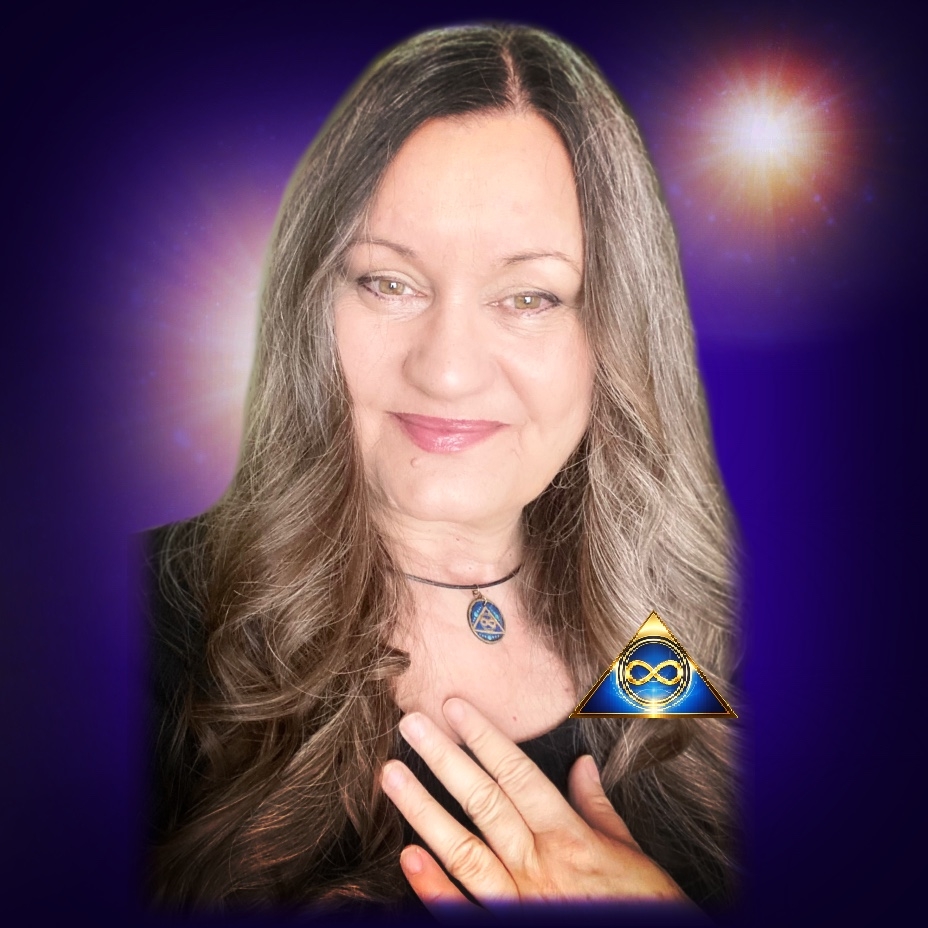
Daniela Hills, Reiki Master Teacher
Hi, my name is Daniela Hills, founder of GateLightElearning, and I would love to personally welcome you.
If you are new to Reiki, you may be wondering what it is, how it works, and whether it could become part of your own healing or spiritual path. In this article, we will gently explore what Reiki is, where it comes from, how a Reiki treatment is given, and how learning Reiki can open a new chapter of self-care, balance, and spiritual growth in your life.
Short answer:
Reiki is a gentle Japanese energy healing practice that supports relaxation, emotional balance, self-care, and spiritual growth. During a Reiki session, the receiver usually remains fully clothed while the practitioner places their hands lightly on or near the body, allowing Reiki energy to flow in a peaceful and non-invasive way. life.
Reiki Explained
Reiki is a gentle Japanese system for relaxation, energy balancing, healing support, and personal/spiritual growth.
The word Reiki is often translated as universal life energy. “Rei” can be understood as universal or spiritual wisdom, and “Ki” means life force energy.
In Reiki practice, this universal life energy is shared through the hands, either by placing the hands gently on the body or holding them slightly above the body.
A Reiki practitioner does not give their own personal energy. Instead, they act as a channel for Reiki energy. The receiver remains fully clothed and can usually sit or lie down comfortably during a session.
Reiki is often experienced as calming, peaceful, warming, or deeply relaxing. Some people feel energy moving through the body, while others simply feel quiet, rested, or emotionally lighter.
Reiki as a Healing and Self-Improvement Practice
Reiki is not only used for relaxation or energy healing. Traditionally, Reiki is also a system for self-improvement and inner growth.
Many people are drawn to Reiki because they are looking for:
✔️ more inner peace
✔️ emotional balance
✔️ stress relief
✔️ spiritual growth
✔️ a deeper connection with themselves
✔️ a gentle daily self-care practice
✔️ a way to support others with kindness and compassion
Reiki can be used for yourself, for other people, and, with care and respect, for animals, plants, food, water, and situations.
Where Does Reiki Come From?
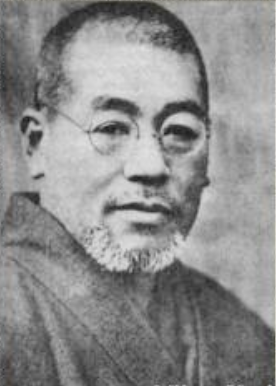
According to Reiki tradition, Usui Sensei experienced a spiritual awakening and healing ability in 1922 after a period of fasting and meditation on Mount Kurama in Kyoto, Japan.
From this experience, the Usui Reiki system developed and was later passed from teacher to student through Reiki training and lineage.
How Does Reiki Feel?
Others may see colours, remember emotions, feel sleepy, or simply feel calmer after the session.
Because Reiki can support emotional release, some people may cry, laugh, feel tired, or feel temporarily more sensitive after a session.
This is usually understood in Reiki practice as part of the balancing and self-healing process. Most people experience Reiki as relaxing and peaceful.

Is Reiki a Religion?
You do not have to follow a certain belief system to receive or learn Reiki. Reiki can be practiced by people from many different spiritual, religious, or non-religious backgrounds.
Reiki is a gentle energy practice that focuses on relaxation, balance, compassion, and inner well-being.


How Is a Reiki Treatment Given?
During a Reiki treatment, the receiver usually sits in a chair or lies comfortably on a massage table. The person remains fully clothed.
Reiki can be given to yourself or to others.
When giving Reiki to another person, the Reiki practitioner places their hands gently on or near different areas of the body. Some practitioners follow traditional hand positions, while others work more intuitively.
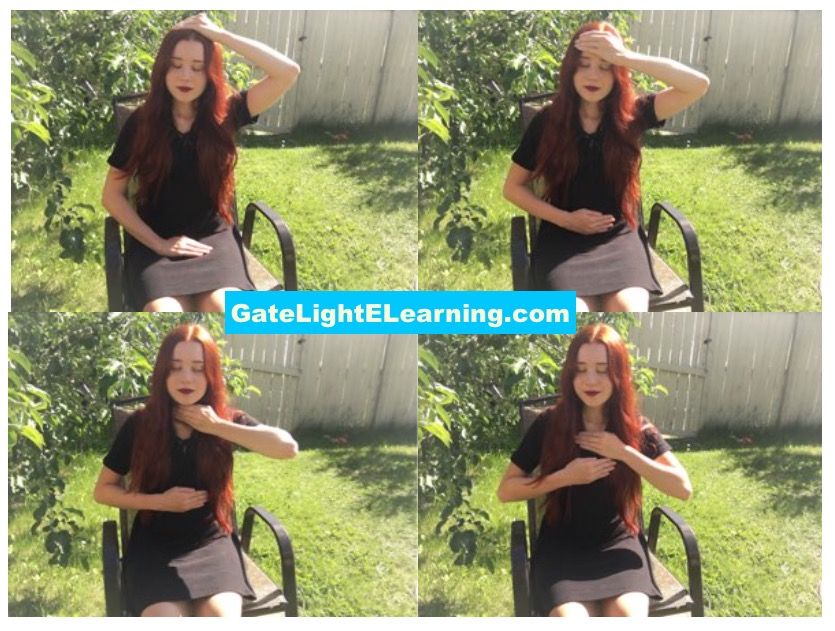
When giving Reiki to yourself, you can place your own hands gently on or near your body and allow the Reiki energy to flow in the same peaceful way.
A session is usually quiet and peaceful. The receiver does not need to do anything special. They can simply relax and receive.
Does Reiki Replace Medical Treatment?
No. Reiki does not replace medical care, psychological care, medication, or professional treatment.
Reiki can be used as a complementary practice to support relaxation, emotional well-being, and the body’s natural self-healing process.
If you have health concerns, you should always speak with a qualified medical professional.
Reiki can be a beautiful support, but it should never be used as a substitute for proper medical or mental health care.
Who Can Learn Reiki?
Anyone can learn Reiki. You do not need special gifts, years of spiritual experience, or complicated training.
Reiki is simple to learn and can be practiced by beginners, children, adults, and people from many different walks of life.
Once a person receives a Reiki attunement from a Reiki Master Teacher, they are traditionally considered connected to Reiki for life.

What Is a Reiki Attunement?
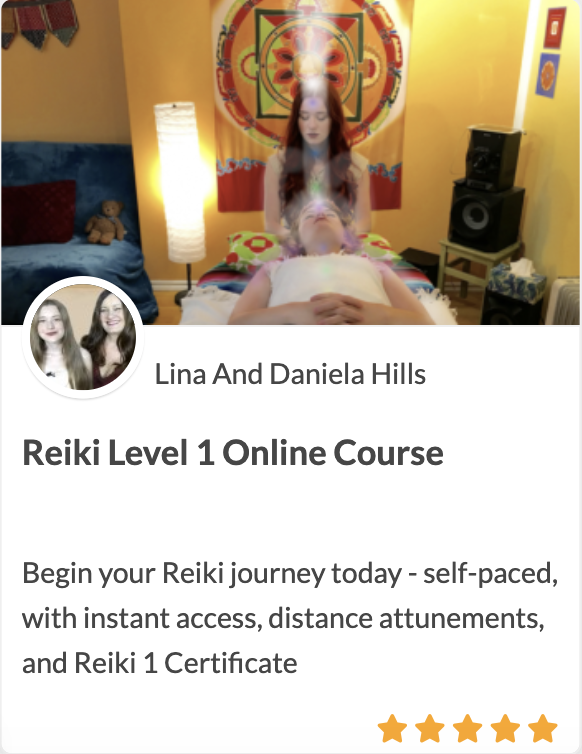
A Reiki attunement is a special initiation given by a Reiki Master Teacher.
During an attunement, the teacher connects the student to the Reiki energy so the student can begin to channel Reiki for themselves and others.
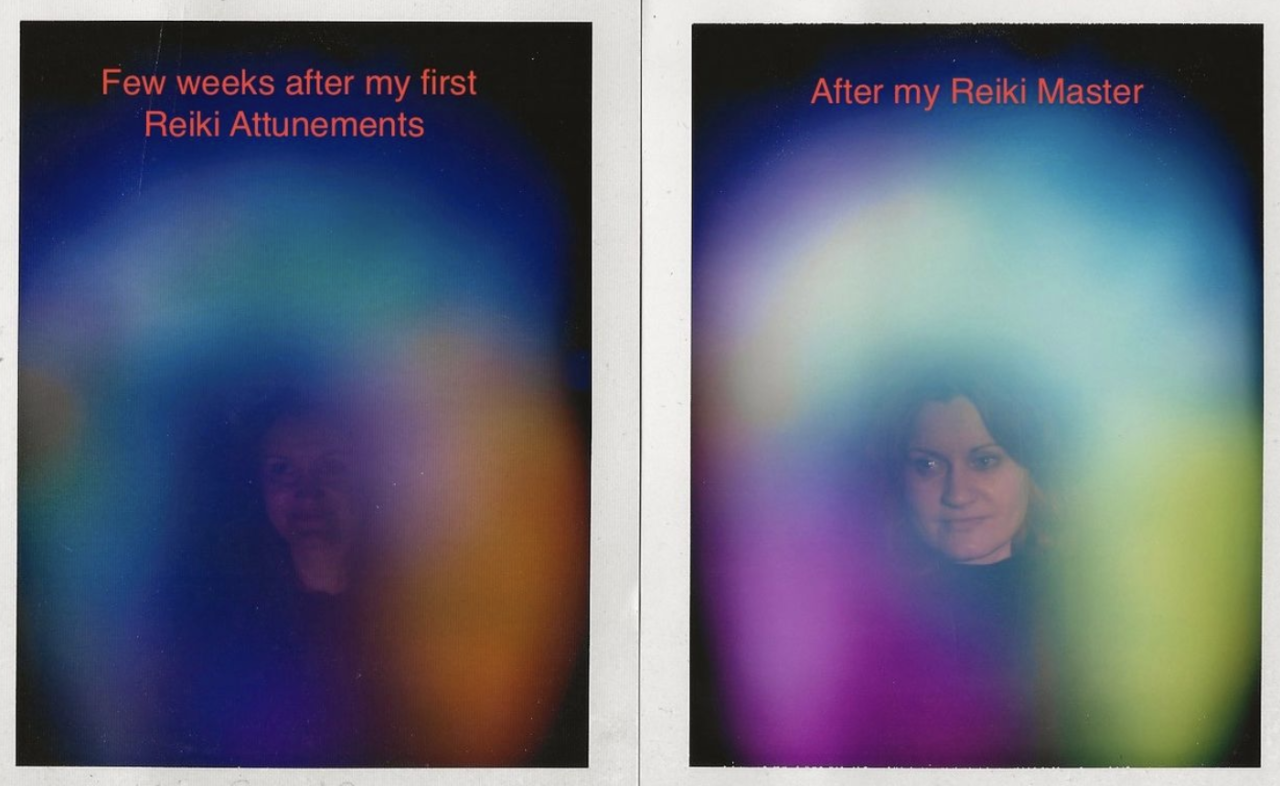
Many people experience an attunement as peaceful, emotional, warm, spiritual, or deeply meaningful. Some people feel energy moving, see colours, remember old emotions, or feel very calm.
Others may not feel much during the attunement itself, but notice changes in their Reiki practice afterward.
The Reiki Levels
Reiki Level 1
Reiki Level 1 is the beginning of the Reiki path.
In this level, you learn the basic understanding of Reiki, how to give Reiki to yourself, and how to share Reiki with others through hands-on or hands-near healing.
After the attunement, Reiki can flow through your hands, and you can begin practicing Reiki as part of your daily life.
Reiki Level 2
Reiki Level 2 deepens your practice. In this level, you usually learn the Reiki symbols and mantras.
These support distance Reiki, emotional healing, mental healing, and sending Reiki beyond ordinary time and space.
Reiki Level 2 can also help you work more deeply with your own inner healing, beliefs, emotions, and spiritual development.

Reiki Master Level
The Reiki Master Level brings a deeper connection to Reiki and spiritual growth.
Students may learn the Master symbol and deepen their understanding of Reiki as a path of healing, awareness, compassion, and inner development.
Reiki Teacher Level
The Reiki Teacher Level is for those who feel called to teach Reiki and pass it on to others. At this level, students learn how to give Reiki attunements and how to guide others through Reiki training.

In many Reiki traditions, the Reiki Master Level and Reiki Teacher Level are taught together. This means students often receive the Master symbol, deepen their personal Reiki practice, and also learn how to pass Reiki on to others through teaching and attunements.
What Is a Reiki Lineage?
A Reiki lineage shows the line of teachers through which Reiki was passed down. In traditional Reiki, lineage is important because it connects the student and teacher back to Mikao Usui, the founder of the Usui Reiki system.
A Reiki lineage may look like this:
Mikao Usui → Chujiro Hayashi → Hawayo Takata → later Reiki Masters → your Reiki Teacher This helps show that the training is connected to the original Usui Reiki tradition.
Is Reiki Safe?
Reiki is generally considered a gentle and safe energy practice. It is non-invasive, does not require physical manipulation, and the receiver stays fully clothed.
Many people use Reiki for relaxation, emotional balance, and spiritual support.
However, Reiki should always be practiced with respect, consent, and common sense.
If someone has a medical or mental health condition, Reiki can be used as a supportive complementary practice, but not as a replacement for professional care.
Can You Learn Reiki Online?
Traditionally, many Reiki classes were taught in person, and for many students, learning Reiki in a direct class with a teacher can be a beautiful experience.
However, this is not always possible. Some students do not have a Reiki teacher nearby, have health or mobility limitations, live in a remote area, or need a more flexible way to learn. In these cases, learning Reiki online can be a meaningful option.
If you choose an online Reiki course, make sure the teacher offers proper Reiki attunements, gives support when you have questions, and has a Reiki lineage that can be traced back to Mikao Usui. A good Reiki course, whether online or in person, should help you feel supported, guided, and connected on your Reiki path.

Reiki - Frequently Asked Questions
What is Reiki in simple words?
Reiki is a gentle energy healing practice that uses universal life energy to support relaxation, balance, and inner well-being.
Is Reiki a religion?
No. Reiki is not a religion. It is a gentle energy practice that can be received or learned by people from many different spiritual, religious, or non-religious backgrounds.
Can anyone learn Reiki?
Yes. Reiki can be learned by beginners. You do not need special spiritual gifts to begin Reiki training.
Does Reiki replace medical care?
No. Reiki does not replace medical or psychological treatment. It can be used as a complementary practice for relaxation, emotional support, and well-being.
What happens during a Reiki session?
During a Reiki session, the receiver remains fully clothed while the practitioner gently places their hands on or near the body in different positions.
What is a Reiki attunement?
A Reiki attunement is an initiation given by a Reiki Master Teacher that connects the student to Reiki energy so they can begin practicing Reiki.
Can you learn Reiki online?
Yes, Reiki can be learned online, especially when an in-person class is not possible. It is important to choose a Reiki teacher who offers attunements, provides support, and has a Reiki lineage that can be traced back to Mikao Usui.
What is the difference between Reiki Level 1 and Reiki Level 2?
Reiki Level 1 focuses on self-healing and hands-on Reiki for yourself and others. Reiki Level 2 usually introduces Reiki symbols, distance Reiki, and deeper emotional or mental healing.
What If Reiki Isn't Calling You?
Maybe you've been reading about Reiki and thinking, "Hmm, interesting, but I'm not sure it's for me."
And that's perfectly okay!
Just because Reiki is so popular doesn't mean everyone has to become a Reiki practitioner.
There is no spiritual rulebook saying you must learn Reiki first!
Perhaps Trance Healing is more your thing?
For me, Trance Healing feels like a deep, peaceful meditation where I connect with my Spirit Friends and allow them to work through me.
It can also be a wonderful practice if you're interested in developing your mediumship abilities.
I personally love both practices, but they do feel different.
Curious about the differences?
Have a look at my What Is Trance Healing? How It Works and How It Differs from Reiki Deep Dive, where I share my experiences, and explain how Trance Healing works.
Final Thoughts
Reiki is a gentle path of energy healing, relaxation, self-care, and spiritual growth.
For seekers, Reiki can be a beautiful way to reconnect with yourself, calm the mind, support emotional balance, and develop a deeper awareness of universal life energy.
Whether you want to receive Reiki, learn Reiki for your own healing, or eventually support others, Reiki begins with something very simple: a willingness to slow down, open your heart, and allow healing energy to flow.
Are you already a Reiki practitioner?
If you have already been attuned to Reiki, I hope Reiki has become a supportive part of your life.
And if you have not practiced for a while, that is okay too. Life can become busy, and sometimes our spiritual practices move into the background for a time.
Reiki does not leave you. You can simply begin again by giving Reiki to yourself and allowing the energy to flow. You do not need to receive your attunements again, but a Reiki Level 1 Refresher or Reiki Level 2
Refresher can be a helpful way to review the teachings, reconnect with your practice, and feel supported again.
I also chose to learn from more than one Reiki Teacher because I wanted to see how different teachers share Reiki and what I could learn from each of them. My second Reiki Master and Teacher was Norbert Kuhl, and I am very grateful for his teachings.

Love and Light Always
