What Do Tarot Cards Really Look Like in Everyday Life?
Learn how Tarot cards can appear in everyday life through practical examples, personal insights, and a modern approach that makes the cards easier to understand and remember.
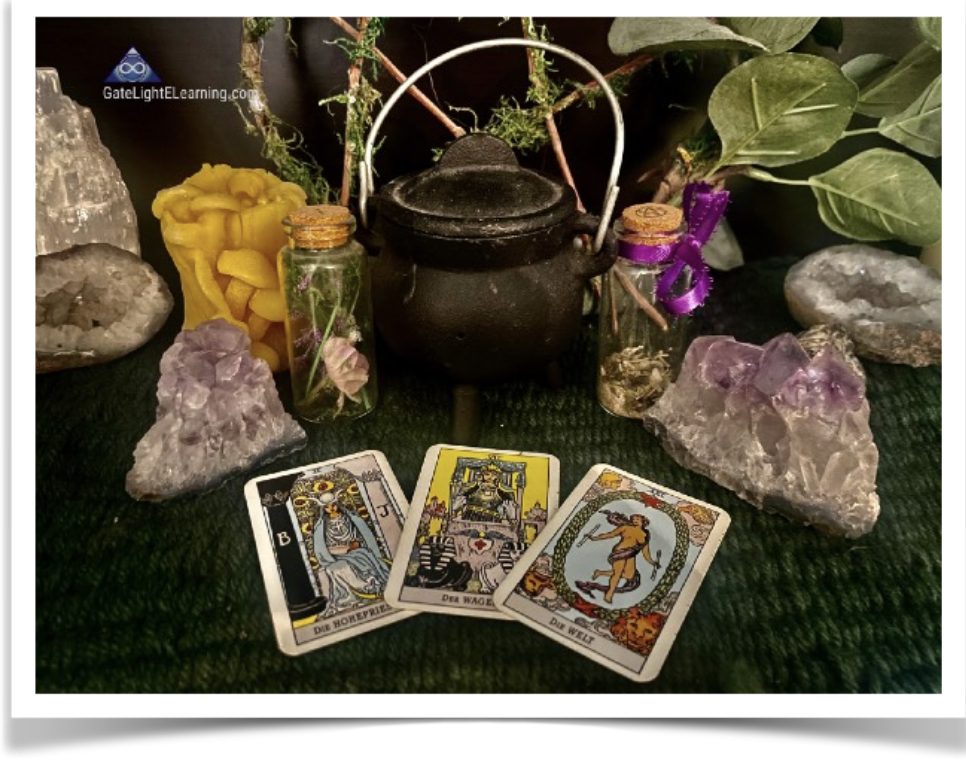
Why Keywords Aren't Enough
When most people begin learning Tarot, they start by memorizing keywords.
The Fool means new beginnings.
The Tower means sudden change.
The Star means hope.
At first, this seems like a good way to learn.
But sooner or later, many beginners find themselves asking the same question:
"What does this card actually look like in everyday life?"
I know I did.

My Journey with Tarot
My name is Daniela, and even though I teach Tarot today, learning it was not always easy for me.
I bought different books and read countless interpretations.
Although many of the meanings were similar, every author explained the cards in a slightly different way.
Then there were the traditional Tarot images themselves.
A person hanging upside down.
A tower being struck by lightning.
A skeleton riding a horse.
I kept asking myself:
"But what does this actually look like in everyday life?"
How does The Tower appear in a modern world?
What does The Hanged Man look like when you're sitting in an office or driving to work?
How do these centuries-old images relate to the lives we live today?
It took me years to begin making those connections. Even now, I sometimes pause and ask myself:
"How would I explain this card in a way that someone could immediately recognize in their own life?"
That question eventually became part of my own Tarot practice. Whenever I drew a daily Tarot card, I would ask myself:
"How might this card appear in my life today?"
Over time, I noticed something interesting. The cards became easier to understand.
I was not simply memorizing meanings anymore.
I was recognizing them in real life, sometimes even days after I had pulled the card.
Tarot Is Like Learning a New Language
Learning Tarot is very similar to learning a new language. I know this not only from learning Tarot, but also from learning English later in life.
At first, we memorize individual words.
Then we learn short sentences.
Eventually, we stop translating everything in our minds and simply understand.
Tarot works in much the same way. In the beginning, we often memorize keywords.
Later, we begin recognizing patterns.
Finally, we start seeing the cards come alive through the people we meet, the situations we experience, the choices we make, and the lessons life teaches us.
That is when Tarot becomes much more natural.

Tarot Is More Than Keywords
A card can represent:
• a person
• a situation
• a challenge
• an opportunity
• a lesson
• a mindset
• a phase of life
Its meaning always depends on the question being asked, the surrounding cards, and your own intuition.
That is why the same card can mean something different in every reading.
A Few Real-Life Examples
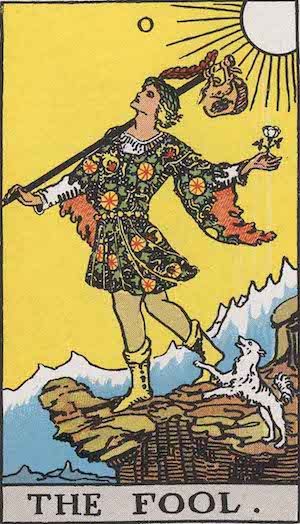
The Fool
The key meanings of The Fool are new beginnings, trust, curiosity, adventure, and stepping into the unknown.
At its heart, The Fool is about saying "yes" to a new journey before you know exactly where it will lead.
In real life, this could look like applying for a new job, moving to another city, starting your own business, or beginning to learn Tarot. You don't know exactly what will happen next, but something inside tells you it is time to take the first step.
That is The Fool.
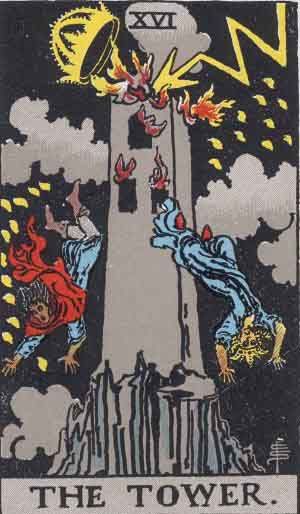
The Tower
The key meanings of The Tower are sudden change, disruption, revelation, and awakening.
Although many people fear this card, it often represents a necessary change that clears away something that no longer serves us.
In real life, this could look like losing a job, ending a relationship, discovering an uncomfortable truth, or realizing that an old way of living no longer works. At first, it may feel upsetting, but later you may see that without this change, something healthier could never have been built.
That is The Tower.
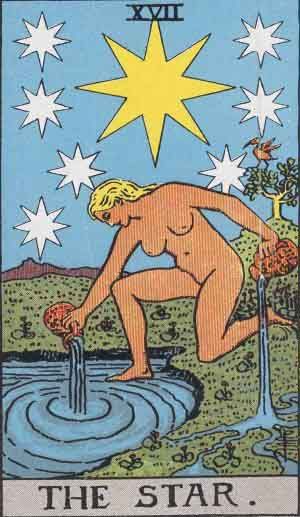
The Star
The key meanings of The Star are hope, healing, faith, inspiration, and renewal.
The Star often appears after a difficult period, reminding us that healing is possible and that hope slowly returns.
In real life, this could look like recovering after a breakup, job loss, illness, or emotional setback.
Perhaps someone says something encouraging, a new opportunity appears, or you simply wake up one morning and realize you feel a little lighter than you did yesterday. Nothing is fully resolved yet, but you begin believing that life can get better again.
That is The Star.
A Practical Way to Learn Tarot
"What does this card actually look like in real life?"
That question inspired me to create a free guide that approaches Tarot from a practical perspective.
Instead of focusing only on traditional meanings, it connects every Tarot card with a simple everyday example that helps bring the card to life.

Free Tarot Ebook
If you've ever wished Tarot felt easier to understand, I'd love to share my free ebook with you.
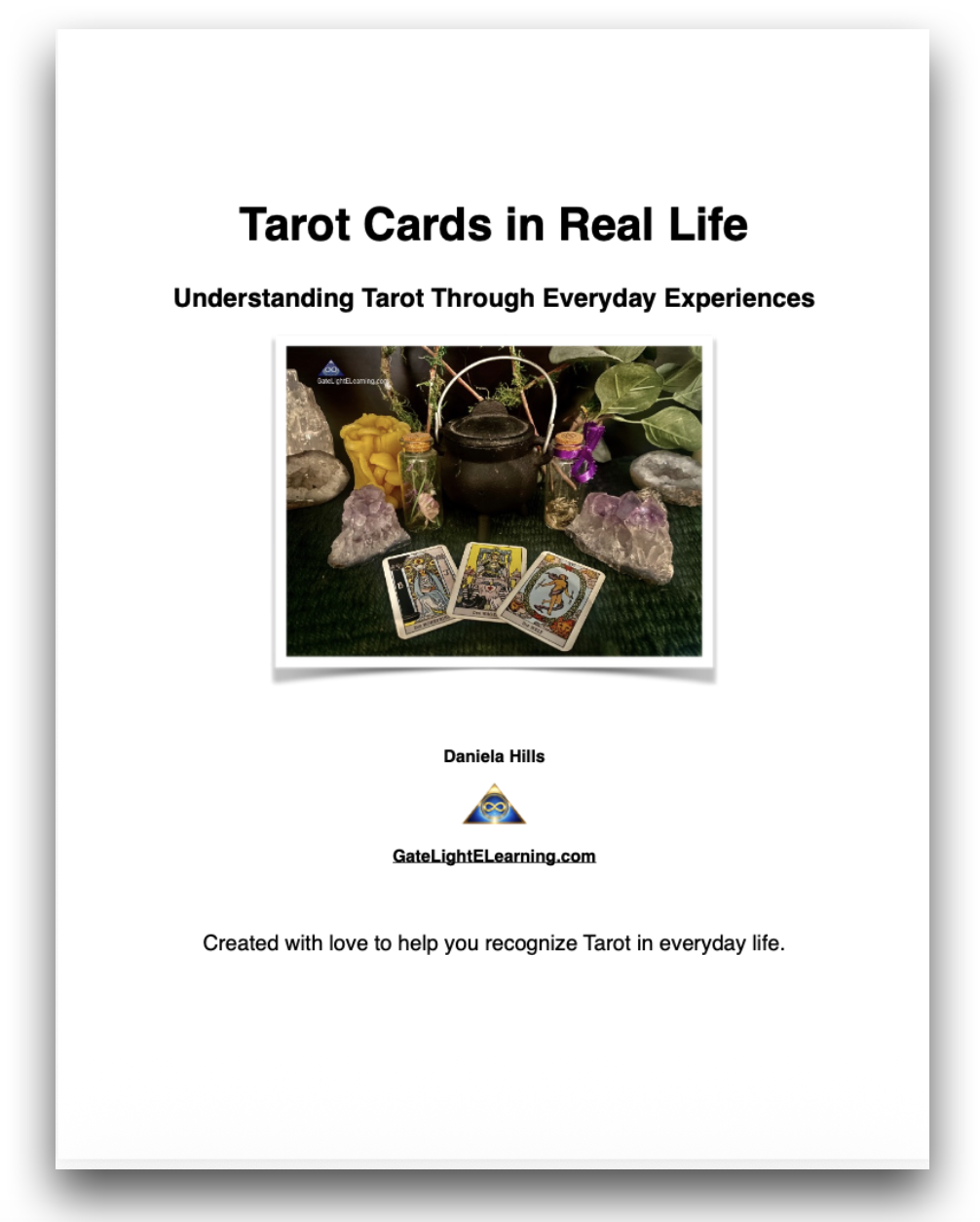
Tarot Cards in Real Life - Understanding Tarot Through Everyday
Experiences Inside you'll discover:
✔ One practical real-life example for every Tarot card.
✔ The Five Paths of Modern Life, a simple framework for understanding Tarot.
✔ A modern, beginner-friendly approach that makes the cards easier to understand and remember.
I hope it helps you see the Tarot not only as a collection of beautiful cards, but as a reflection of the experiences we all share throughout life.
Want to continue learning?
Explore more in-depth Tarot articles in the GateLightELearning Learning Library.
Love and Light Always
